Vasilia Graboski
  • Home
  • About
  • Blog
  • Contact

Psyched Writer

Picture

This blog is a resource for fellow therapists, parents and teachers. I will provide suggestions and reviews of books that I have found especially therapeutic and useful for various social-emotional issues.  And...my favorite part...I will provide accompanying activities related to the book to help with teaching social-emotional skills.

​I would love for you to check it out and give me your feedback. 

RSS Feed

I Wonder What Scared You

4/14/2019

0 Comments


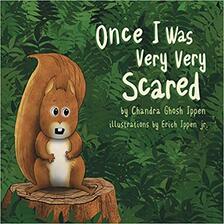
A Book Review of Once I Was Very Very Scared

Once I Was Very Very Scared
Written by Chandra Ghosh Ippen
​Illustrations by Erich Ippen Jr. 
​Piplo Productions
It comes as a surprise to many adults that very young children can experience trauma, even before they have words to express their feelings. 
Picture
Picture
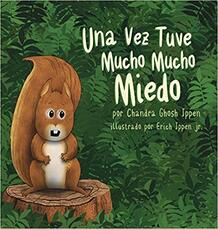
Trauma that we experience as children can lead to behavioral, emotional, neurological and physical challenges throughout our lifetimes. For this reason, it is crucial that trauma(s) experienced in childhood (and in adulthood) be addressed as soon as possible. Research has shown that the most important factor in determining resilience to trauma is having a sensitive, caring caregiver to help you through it. I have chosen this book for April's blog post as trauma affects many, many children. Some of those children may be in need of psychological assistance and some may not. If not, it is still crucial that the adults in their lives address the feelings and responses to the trauma. Once I Was Very Very Scared is a perfect book for this purpose. It can be read and discussed by caregivers and/or can be a great resource for therapists. The great news is that there is a Spanish version too!  

Chandra Ghosh Ippen skillfully presents the emotional material of trauma in a fun, non-threatening and relatable way for young children. Once I was Very Very Scared is appropriate for children ages 3-8 but could also be useful to older children and adolescents. The book is quite long and covers an intense subject matter. Therefore, for the younger children, I would suggest reading it in two or more sittings to leave room for processing and discussion. Going through the entire book in one sitting may be emotionally overwhelming for some. 

The book starts out as a group therapy session utilizing adorable animals illustrated by Erich Ippen Jr. The Porcupine character acts as a therapist and works at establishing trust and providing a safe place for the animals to express themselves. This is an excellent book for opening up dialogue about a child's particular trauma and providing them permission to discuss it. It portrays many different scenarios of traumatic events with which many readers may be able to identify. This can help the reader in not feeling so alone with their trauma.  

Through the dialogue and behavior of the animals, Ms. Ippen accurately portrays flight or fight responses and many defense mechanisms in action. She does an excellent job describing how trauma affects us all in different ways and uses many internalizing and externalizing behaviors as examples. 

The book wraps up on a hopeful note by exploring many coping skills. Through the animals, Ms. Ippen makes clear the individual differences in how we can cope with difficult situations in a healthy way. This exploration of coping skills leaves much room for the caregiver or therapist to teach different coping skills and explore with the child what works best for them.  

Frequently in my practice, I utilize Once I Was Very Very Scared  as a starting point to open up the conversation about trauma. I engage the child in many activities throughout the process of reading the book and utilize it throughout the therapy process. It is very conducive to incorporating therapeutic activities personalized to each child.  I have provided ideas below.   
​

Activity Ideas for Once I Was Very Very Scared

After reading through the book once, there is a page that states "I wonder what scared you." This is a very important page to return to and open up dialogue on specific experiences of the child. Since there are pictures of various scenarios of trauma experienced by the animals in the book, I ask the child to draw a picture of the time they were very, very scared. After they complete this, it is important to ask many questions about their picture and have the child express as many details as possible about what happened. The sensory process of drawing and/or coloring is also therapeutic. Watch the child's behavior for reactions in discussing their trauma. It may be necessary to go through this process slowly and incorporate some relaxation/meditation techniques along the way.  

There is page near the middle of the book that shows all the animals with different feelings. This is a great page to reference while asking the child to point to which feeling(s) they had during their trauma and what feeling(s) they have about it currently.

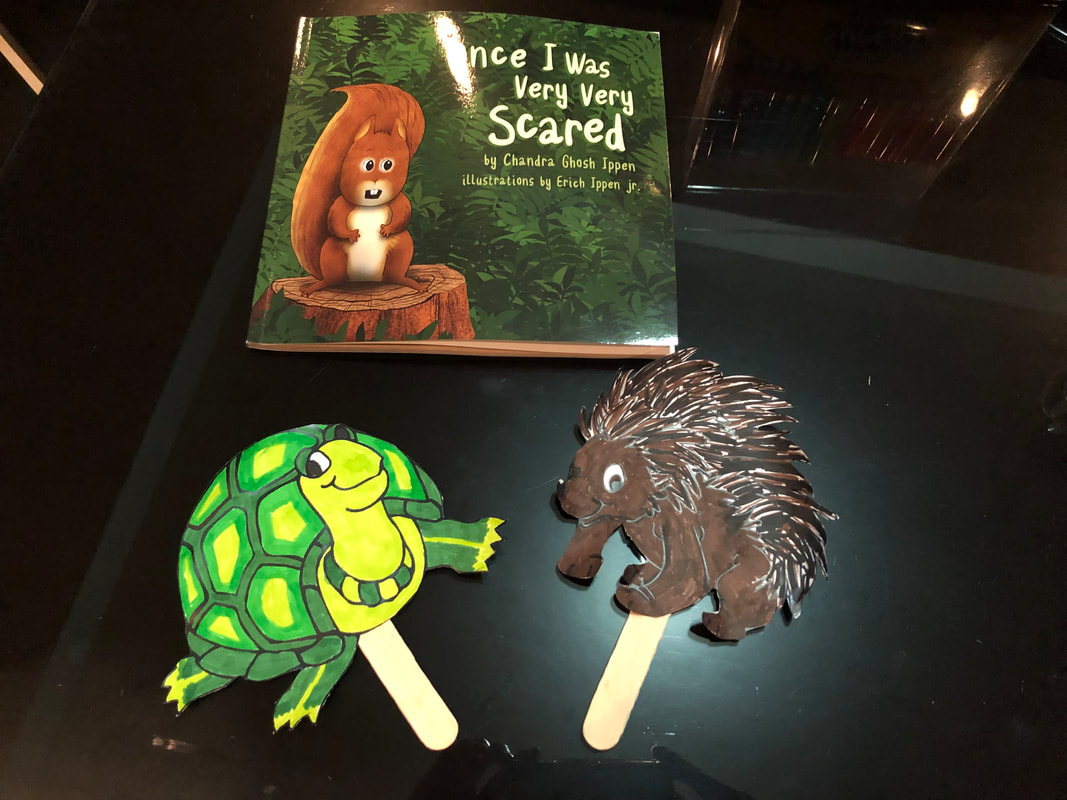
In addressing defense mechanisms and coping skills, I find role-playing very useful. Role-playing using puppets, animals or dolls is a great way to engage with young children while minimizing their discomfort as it is a step removed. Making simple puppets of the animal they identify with in the book can be a fun and useful activity for this purpose.  

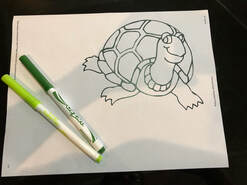
While reading the book, ask the child what animal in the story acts most like they do when they feel very scared. Google coloring pages of that particular animal and one of a porcupine for the therapist character. A good website for this purpose is www.coloring.ws and click on animals. Print out a coloring page of a porcupine and the child's chosen animal from the book. Printing on card stock can be useful for making a more sturdy puppet. If the animal is a full page, you may need to scale it down to 70% when printing. 

Ironically, while writing this post, I received a notification from Piplo Productions that they now have free downloadable finger puppets on their website! This is another option to carry out this activity. Go to piploproductions.com, click on Our Stories, then Once I Was Very Very Scared, then Resources and you will find the free downloads.

Materials needed
Coloring page 
crayons or markers
craft stick (large popsicle stick found in craft stores)
glue
scissors
Directions
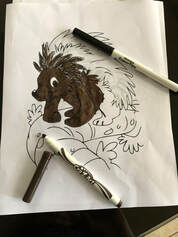
​1. Have child color printed coloring page of chosen animal.  Therapist/Parent color printed coloring page of porcupine.


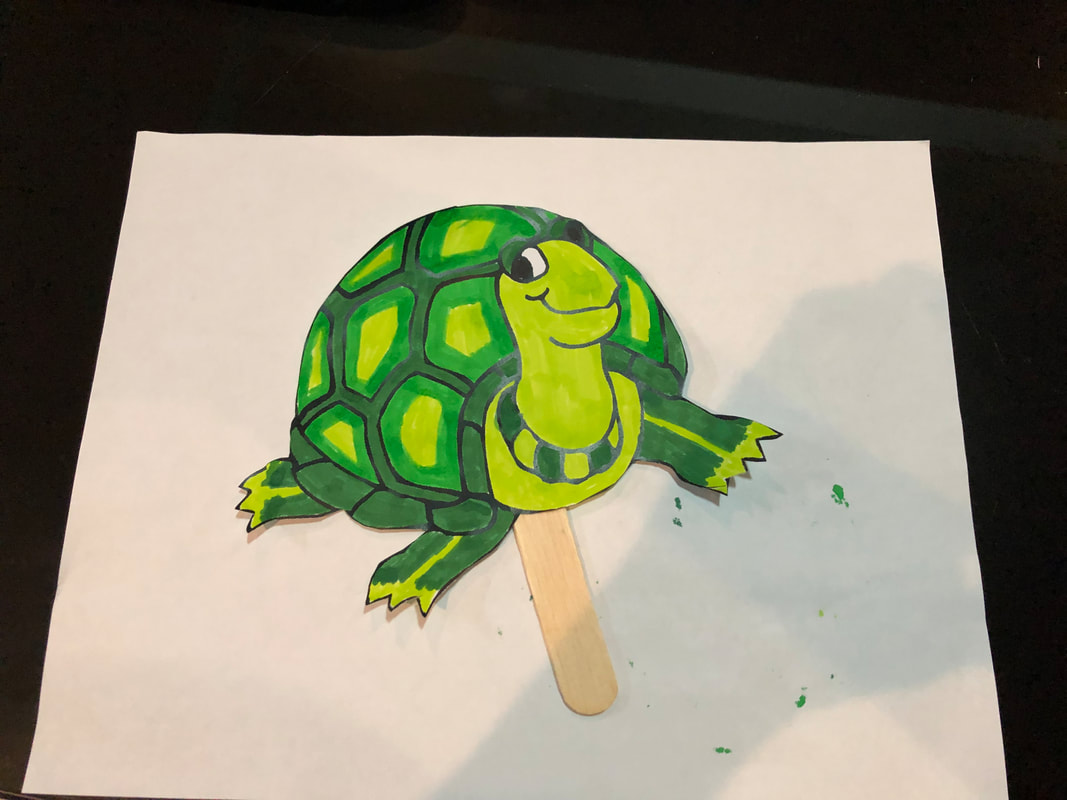
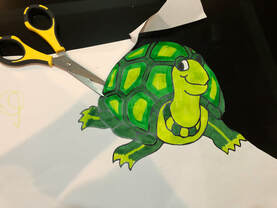
2. Child and Therapist/Parent cut out colored picture of animal.


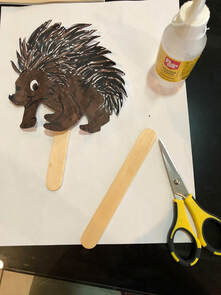
3. Child and Therapist/Parent glue animal onto craft stick.


4. Puppets completed!  Now time to role play!! Use the puppets to have child act out their typical defense mechanisms, feelings, and to practice coping skills.  For example, since the child chose the turtle, his/her go-to defense mechanism may have been to hide.  Have him/her act that out.  Then with the puppets, practice the different healthy coping skills together and ask child to act out what coping skills work best for them.  Porcupine plays the role of the helper.  Have fun!!
Picture
Picture
Picture
Picture
Picture
Picture
0 Comments

Being With

3/14/2019

1 Comment


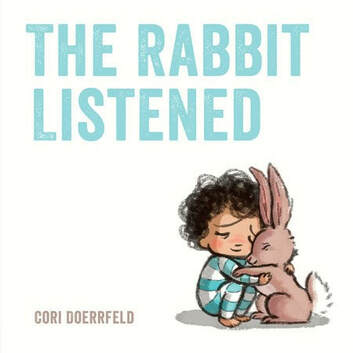
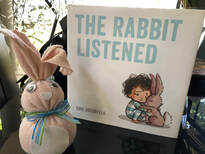
A Book Review of The Rabbit Listened

​ The Rabbit Listened                                  
​Written & Illustrated by: Cori Doerrfeld
Publisher: Dial Books For Young Readers

​
​The concept of "Being With" is very simple, yet very important. It is the idea of quietly sitting with someone, being with them, when they are struggling. As humans, we go through many experiences where words simply cannot help.  
Picture
Having a friend just sitting beside you through a tough time can be incredibly comforting and therapeutic.  When the person chooses to talk, being with them is being there to listen.  Just listen.  When a friend or loved one is hurting, we have a tendency to want to fix it.  We want them to be happy.  We can't tolerate seeing them in pain.  But sometimes in life, we just need to sit with our feelings for awhile.  It can be deeply comforting to have someone you care about joining you in sitting with your feelings.  This helps you not feel so alone.  

In her recent Children's book, The Rabbit Listened, Cori Doerrfeld describes the concept of "being with" beautifully.  She presents the concept at a level very relatable to young children.  This book is simple, yet powerful. While it is geared toward children ages 3- 7, we can all learn a great deal from this book.  

The story starts out with Taylor, a young girl, building a very special tower out of blocks that elicits much pride.  Out of nowhere, a flock of birds fly by and knock down her prized castle.  Her creation is ruined. Ugh. The dreaded experience that evokes big feelings familiar to all children. 

Ms. Doerrfeld does an amazing job illustrating Taylor's strong feelings. As expected, a parade of well-meaning friends come and want to help Taylor.  Chicken tries to make her talk, Bear tries to get her to growl and shout and elephant tries to help her rebuild.  Taylor is not interested in any of this.  Many other friends come by to try and make it better for Taylor.  Nothing works. 

Until finally and quietly... Rabbit slowly comes up and sits very close to Taylor so she can feel his warm body.  The Rabbit sits in silence by her side.  He listens when she feels like talking, or shouting, and listens closely to all of her ideas.  After Taylor goes through the process of working through her feelings at her own pace, she decides to rebuild.  At that point, Rabbit is still by her side sharing her joy of being ready to rebuild.  

The Rabbit Listened is helpful to ALL children(parents, therapists and teachers too!) This book is a frequent go-to in my practice with children who have difficulty regulating their emotions.  It provides insight to these children as to what they may need to calm themselves. The book also provides insight to their caregivers as to how to manage their child's big feelings.  Additionally, I utilize this book for kids that have recently gone through big struggles in their life, whether it be a death or a separation in the family.  In addition to gaining personal insight, this story teaches children how to be a good friend and to help others who may be struggling.  The Rabbit Listened covers a universal topic that can remind us all that simply "being with" someone is the best gift you can give.  

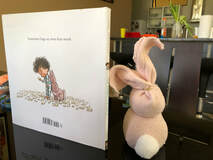
After reading the book, why not create a Rabbit who will sit quietly and listen to you?  Or that you can lend to your family members or friends when they are struggling?  See below for instructions.  


Activity Idea for The Rabbit Listened

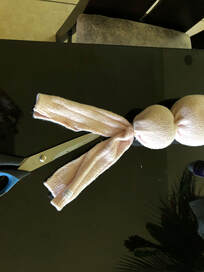
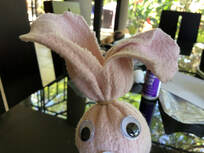
Making a sock bunny together with the child and discussing how the bunny can sit beside him/her when he/she is having big feelings is a great therapeutic activity.  They can also talk to the bunny about their big feelings. The bunny is simply there to sit and listen. The bunny can also be used for them to help other people and lend him out as a sitting buddy to a family member or friend who is struggling. 

To drive the concept home, I do role playing in therapy, having the child pretend they are sad, mad, or scared and setting the bunny quietly next to them.  As the therapist, I pretend to have big feelings and the child then places the bunny next to me.  We then discuss how it feels to have someone next to you, sharing your big feelings and listening. We also discuss situations that have occurred in their life when it would have been helpful to have someone sit by their side quietly.  We discuss situations their family or friends may have experienced that they think would have been helpful to sit quietly by their side and how this might make them feel.  

Materials needed
An adult-sized sock
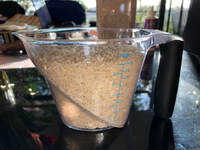
​2 cups of rice
​measuring cup with spout

2 large sturdy rubber bands
felt or foam sheet
large pompom
googly eyes
ribbon
tacky craft glue
sharp scissors
Directions
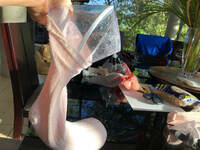
1. Fill sock with 2 cups of rice       


​                                                        


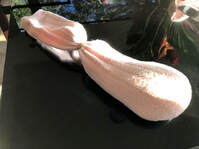
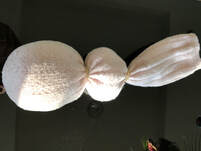
2. Wrap rubber band tightly around sock for the top of head.
leaving enough sock for ears

​


3. Wrap other rubber band tightly around area of neck, 
shaping the head to the size desired


​
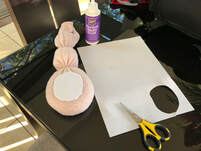
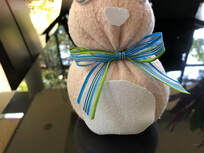
4.Cut a piece of felt or foam in the shape of the belly
and glue on with tacky glue


​


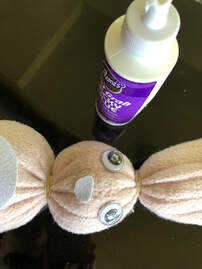
5.Cut out small rounded triangle shape from felt or foam
for nose and glue on middle of face with tacky glue

6. Glue googly eyes on face


​
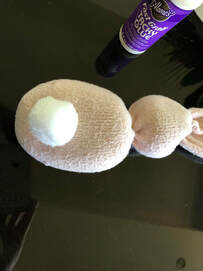
7. Glue on large pompom on back of body for tail


​


8. Cut the top part of the sock in half lengthwise to 
create the ears.  Cut corners to make ears rounded.


​
9. Tie bow around bunnies neck


​


10.Finished Project!!  The "Being With" Bunny.


​
​

11. And...the back!!


Picture
Picture
Picture
Picture
Picture
Picture
Picture
Picture
Picture
Picture
Picture
Picture
1 Comment
Forward>>
    Follow Vasilia´s Blog
    Follow me on Twitter, Pinterest and LinkedIn

    Categories

    All
    Absent Dad
    Acceptance & Commitment -Therapy Skills
    Acceptance Of Others
    ADHD
    Adoption
    Anger Management
    Anxiety
    Body Autonomy
    Cognitive Behavioral Therapy Skills
    Consent
    Coping With ADHD
    Coping With Depression
    Coping With Feelings
    Depression
    Disability Awareness
    Disappointment
    Divorce
    Domestic Violence
    Empathy
    Fear
    Feelings General
    Feelings-General
    Foster Care
    Gender Identity
    Giftedness
    Grandparents As Guardians
    Grief & Loss
    Growth Mindset
    Incarcerated Parent
    Kindness
    Kinship Care
    Learning Disabilities
    Making Friends
    Mindfulness
    Negative Self Talk
    Parental Anger
    Parental Arguing
    Parent W/Mental Illness
    Parent W/Substance Abuse
    Racial Injustice
    School Lockdown Drills
    Seizures
    Self Esteem
    Sensory Issues
    Separation Anxiety
    Sexual Abuse
    Sexual Abuse Prevention
    Shyness
    Standing Up For Others
    Suicide
    Supporting A Friend
    Temper Tantrums
    Terminal Illness
    Trauma
    White Privilege

    Archives

    January 2024
    March 2023
    November 2022
    September 2022
    July 2022
    May 2022
    March 2022
    February 2022
    January 2022
    November 2021
    October 2021
    August 2021
    July 2021
    June 2021
    May 2021
    April 2021
    March 2021
    February 2021
    January 2021
    November 2020
    October 2020
    September 2020
    August 2020
    July 2020
    June 2020
    May 2020
    April 2020
    March 2020
    February 2020
    December 2019
    November 2019
    October 2019
    September 2019
    August 2019
    July 2019
    June 2019
    May 2019
    April 2019
    March 2019
    February 2019

Proudly powered by Weebly
  • Home
  • About
  • Blog
  • Contact